
Step-by-Step Apostille Guide for Czech Visa Applications (2026)
Learn how to apostille documents for Czech visa applications. Step-by-step guide to apostille requirements, legalization, and document verification.
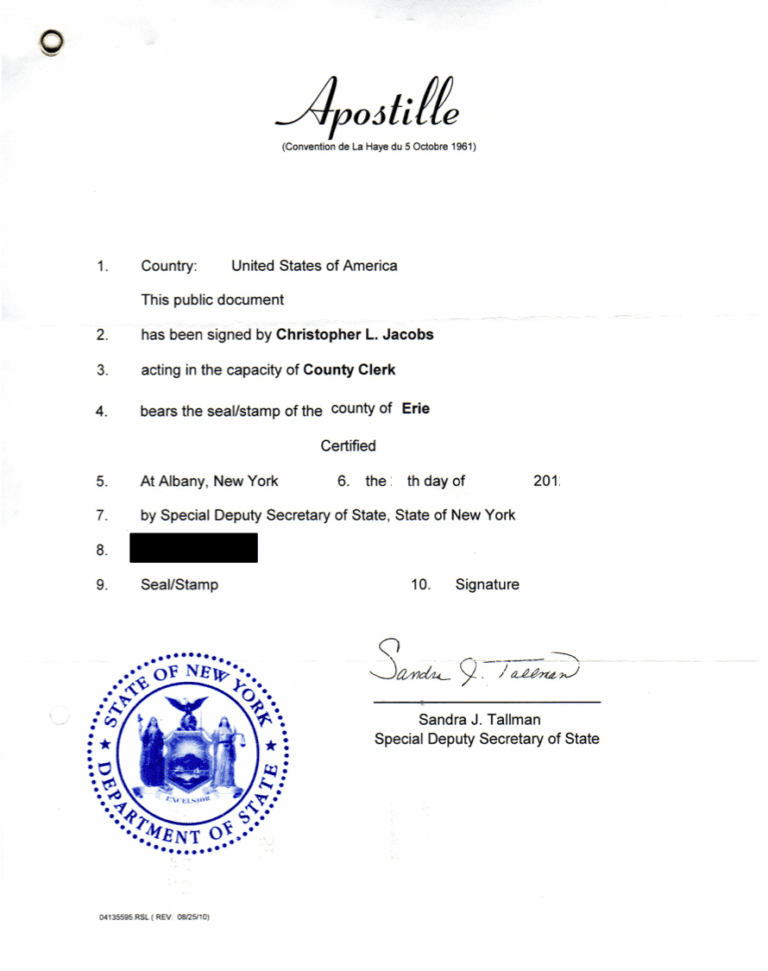
When applying for a Czech visa, residence permit, or immigration process, you may need to submit official documents issued in another country. In many cases, these documents must first be apostilled or legalized before they can be accepted by Czech authorities.
An apostille is a certification that verifies the authenticity of a public document so that it can be legally recognized in another country. Source: ECOVIS
The apostille process was introduced by the 1961 Hague Apostille Convention, which simplifies international document verification between participating countries. Source: Schmidt & Schmidt
This guide explains:
-
what an apostille is
-
when you need an apostille for Czech visa applications
-
the step-by-step apostille process
-
common documents requiring apostilles
What Is an Apostille?
An apostille is a certificate attached to a public document confirming that the signature, seal, or stamp on the document is authentic and issued by a competent authority. Source: Ministry of Justice
The apostille does not verify the content of the document, but it confirms that the document itself is genuine and issued by an official authority. Source: Ministry of Justice
Once apostilled, the document can generally be used in any country that is a member of the Hague Apostille Convention, which includes more than 120 countries.
Source: Schmidt & Schmidt
When Do You Need an Apostille for the Czech Republic?
You may need an apostille when submitting foreign documents during official procedures in the Czech Republic.
Common immigration and visa procedures requiring apostilled documents include:
-
long-term visa applications
-
residence permits
-
business visa applications
-
family reunification visas
-
citizenship applications
Public documents issued abroad must usually be verified and officially translated into Czech before they can be used in administrative procedures. Source: ipc.gov
Documents That Usually Require an Apostille
The following types of documents commonly require apostille certification:
Civil Documents
-
birth certificates
-
marriage certificates
-
divorce certificates
Educational Documents
-
university diplomas
-
academic transcripts
-
professional certificates
Legal Documents
-
criminal record certificates
-
court decisions
-
powers of attorney
Business Documents
-
company registration documents
-
trade licenses
-
corporate agreements
These documents must usually be issued by an official authority before they can be apostilled. Source: Apostilla
Step-by-Step Apostille Process
The apostille process typically involves several steps depending on the country where the document was issued.
Step 1: Obtain the Original Document
First, obtain the original document or a certified copy from the authority that issued it.
Examples include:
-
civil registry office
-
university or school
-
court or government agency
Step 2: Notarization (If Required)
Some documents must first be notarized by a notary public before they can receive an apostille.
This step confirms the authenticity of the document before international certification.
Step 3: Request the Apostille
Next, submit the document to the designated apostille authority in the country where the document was issued.
In the Czech Republic, apostilles are typically issued by:
-
the Ministry of Justice (for judicial and notarial documents)
-
the Ministry of Foreign Affairs (for other official documents).
-
Source: Schmidt & Schmidt
Step 4: Receive the Apostille Certificate
Once processed, the authority will attach an apostille certificate to the document confirming its authenticity.
The apostille usually appears as an official stamp or certificate attached to the document.
Processing times may range from one day to several weeks depending on the country and authority. Source: Apostilla
Step 5: Certified Translation into Czech
After receiving the apostille, the document must often be translated into Czech by a court-certified translator.
Czech authorities usually require certified translations for documents submitted during immigration procedures. Source: ipc.gov
Apostille vs Superlegalization
In some cases, apostille certification is not sufficient.
If the document comes from a country not part of the Hague Apostille Convention, it must go through superlegalization instead.
Superlegalization involves additional steps including verification by the foreign ministry and the embassy of the destination country.
This process is usually more complex and time-consuming than the apostille procedure. Source: ECOVIS
Apostille for Czech Visa Applications
When applying for Czech visas or residence permits, authorities often require apostilled documents such as:
-
criminal record certificates
-
marriage certificates for family reunification
-
diplomas for employment or Blue Card applications
These documents help immigration authorities confirm the authenticity of the information provided during the application process.
Tips for Avoiding Apostille Delays
The apostille process can delay visa applications if documents are not prepared correctly.
Helpful tips include:
-
request apostilles well before your visa appointment
-
verify whether your country is part of the Hague Convention
-
ensure documents are issued by the correct authority
-
obtain certified Czech translations if required
Preparing documents early can prevent delays during the visa process.
How PragueVisas.com Helps
Obtaining apostilled documents and preparing them for immigration procedures can be complicated.
Prague Visas helps clients with:
-
apostille requirements for visa applications
-
document preparation and verification
-
certified translations
-
visa and residence permit applications
Our team helps ensure that your documents meet Czech immigration requirements.